Home / Articles
Stem Cells for Scarring: Can They Help Smooth and Heal Your Skin?
Home / Articles
Stem Cells for Scarring: Can They Help Smooth and Heal Your Skin?
Imagine catching your reflection and seeing the story of past injuries etched in textured lines and discolorations—silent reminders of the body’s epic battles and victories. Scars are, in many ways, badges of resilience, yet they often don’t align with how we wish to look or feel. What if you could gently guide your skin to rebuild itself more smoothly—almost like pressing a “reboot” on its repair process? At MiraeCell Clinic in Seoul, we’ve witnessed how the frontiers of regenerative medicine, especially stem cell therapy, are transforming the way scars heal. Instead of merely camouflaging or refining your skin’s surface, we’re exploring methods to regenerate underlying tissue, bringing you closer to the supple, even complexion you remember—and deserve.
When your skin takes a hit—whether from acne, surgery, burns, or injury—it jumps into emergency mode. Specialized cells flood the area to close the wound and prevent infection. Fibroblasts build a collagen “patch,” but it’s a bit like weaving a quick blanket rather than knitting a bespoke sweater. The result is dense, disorganized collagen fibers that show up as raised or indented scars, often with a different color or texture from surrounding skin.
What people often overlook is that every scar carries its own blueprint. Acne scars tend to leave narrow pits or valleys, while keloids rise beyond the original wound boundary. Even two scratches side by side can heal into visually distinct marks.
You may have tried silicone gels, laser resurfacing, microneedling, or steroid injections—each with its pros and cons:
Often, these approaches improve one aspect of a scar (color, height, or pliability) but don’t fully restore the skin’s three-dimensional architecture. To be honest, our patients frequently ask, “Is there something that can actually regenerate skin, not just cover or refine it?”
Stem cells are like the body’s universal repair cells. In our clinic, we focus on mesenchymal stem cells (MSCs), which can be harvested from bone marrow or adipose (fat) tissue. When introduced into damaged skin, they work through two main channels:
Think of MSCs as both the project managers and peacekeepers at a construction site: they coordinate the builders and keep conflict under control so the structure goes up properly.
If you’re wondering whether stem cell therapy is right for you—you’re not alone. Here’s how our process unfolds:
We start with a detailed evaluation of your scar’s type, age, and location. An acne scar on the cheek heals differently from a post-surgical keloid on the chest. Dr. Chang Yong-Jun and our team map out a personalized strategy—sometimes combining cell therapy with microneedling or fractional laser for synergistic benefit.
Under local anesthesia, we collect a small sample of adipose tissue, usually from the abdomen. In our on-site lab, MSCs are isolated and concentrated—an approach that retains the highest regenerative potential without extensive culture periods.
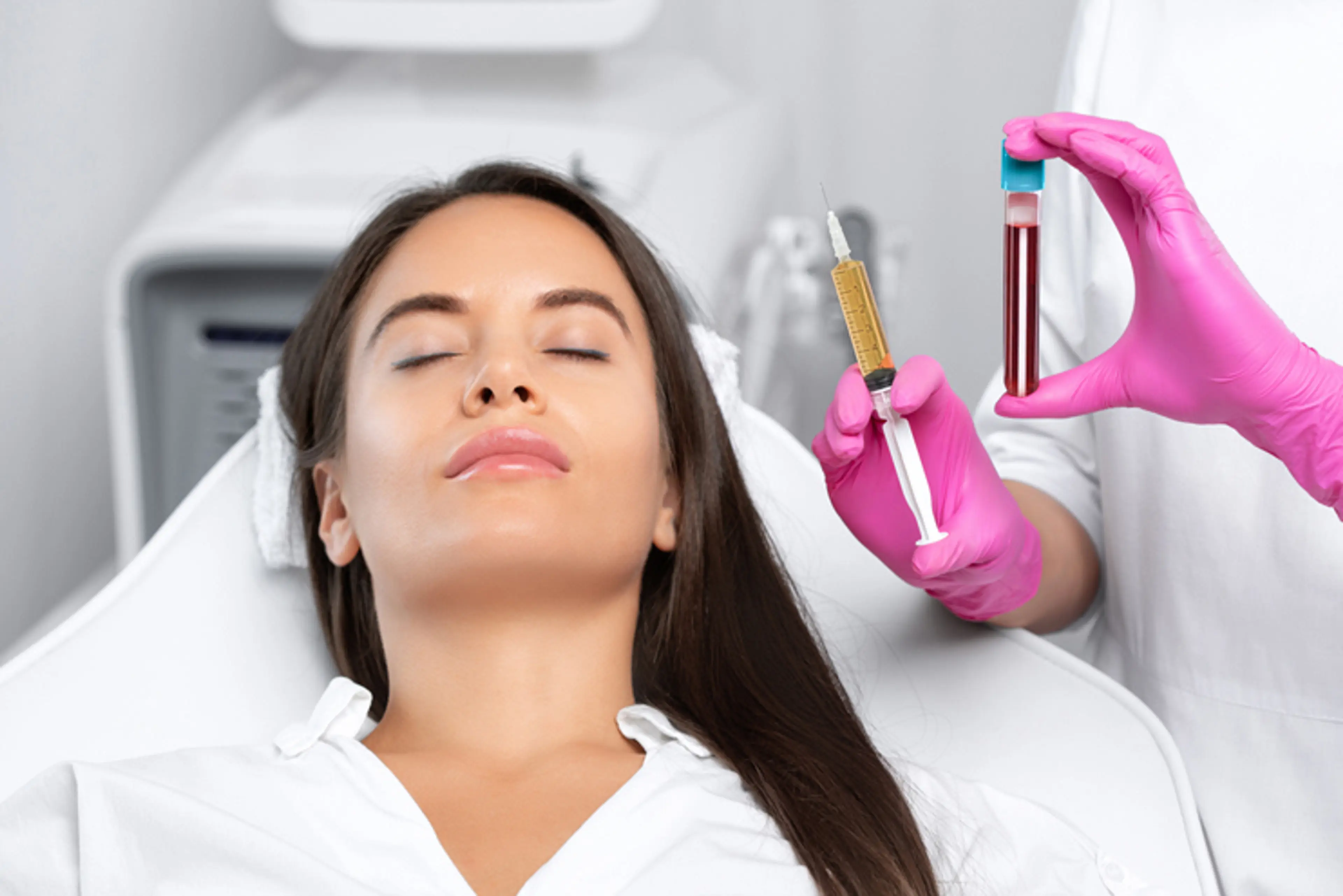
Using ultra-fine needles, we inject the cell suspension directly into and around the scar. Patients tell us the sensation is akin to a quick pinch; discomfort is minimal, and you can usually resume regular activities the same day.
We track healing over weeks and months. While some smoothing appears within a few weeks, optimal remodeling often takes three to six months as new collagen and vessels mature. Periodic check-ins allow us to adjust adjunct treatments if needed.
No two scars are identical, so results vary. Most patients notice:
What’s rarely said online is that combining stem cell therapy with gentle massage and topical peptides at home can amplify and prolong benefits. It’s a small, daily commitment that pays dividends in the long run.
Mrs. Kim, a 58-year-old retired teacher, had a hypertrophic scar on her shoulder from a fall five years earlier. She’d tried lasers and steroid injections with only partial relief. After two stem cell sessions at MiraeCell Clinic, she described her scar as “feeling like normal skin again”—soft to the touch, with color matching the rest of her shoulder. For her, it wasn’t about vanity as much as regaining confidence to wear sleeveless dresses once more.
Stem cell function naturally declines with age, but even in patients in their 70s, we see meaningful improvements. What people often overlook is the role of lifestyle:
At MiraeCell Clinic, we give you a simple “wound-healing toolkit”—a nutrition guide, stress-management tips, and a skin-care regimen to complement your therapy.
You might wonder, “Is this experimental?” To be honest, regenerative medicine is evolving fast, but mesenchymal stem cell therapy for dermatologic uses has robust safety data. Large studies show low risk of adverse events—mainly minor bruising or temporary redness at injection sites. No increased cancer risk has been observed in long-term follow-ups.
Regenerative care at MiraeCell Clinic isn’t a single transaction—it’s a long-term relationship. After your initial sessions, we schedule annual wellness checks to catch any emerging issues early. If new scars appear, a quick “top-up” session can keep your skin in optimal condition.
You might be a good candidate if:
You have mature scars (older than six months) that haven’t responded fully to first-line treatments.
You’re seeking to improve both texture and color, not just one aspect.
You value a minimally invasive approach with low downtime.
You’re committed to lifestyle measures that support ongoing skin health.
If you’ve been struggling with chronic scarring—or if a prominent mark keeps you from feeling like yourself—stem cell therapy might be the next step you hadn’t known was possible.
Scars are more than cosmetic concerns; they’re memories woven into our skin. While traditional treatments can refine color or texture, true regeneration requires a deeper, more coordinated approach. Stem cell therapy offers a promising avenue—harnessing nature’s own repair cells to modulate inflammation, organize collagen, and nurture healthy blood vessels. At MiraeCell Clinic, we pair these advanced techniques with personalized lifestyle guidance—nutrition, stress management, and sun protection—to ensure your results last. If an old acne mark, surgical scar, or injury reminder is holding you back, consider a consultation in regenerative medicine. Because smoothing your skin isn’t just about looking better; it’s about rediscovering confidence, comfort, and the freedom to present your best self to the world.